Introduction
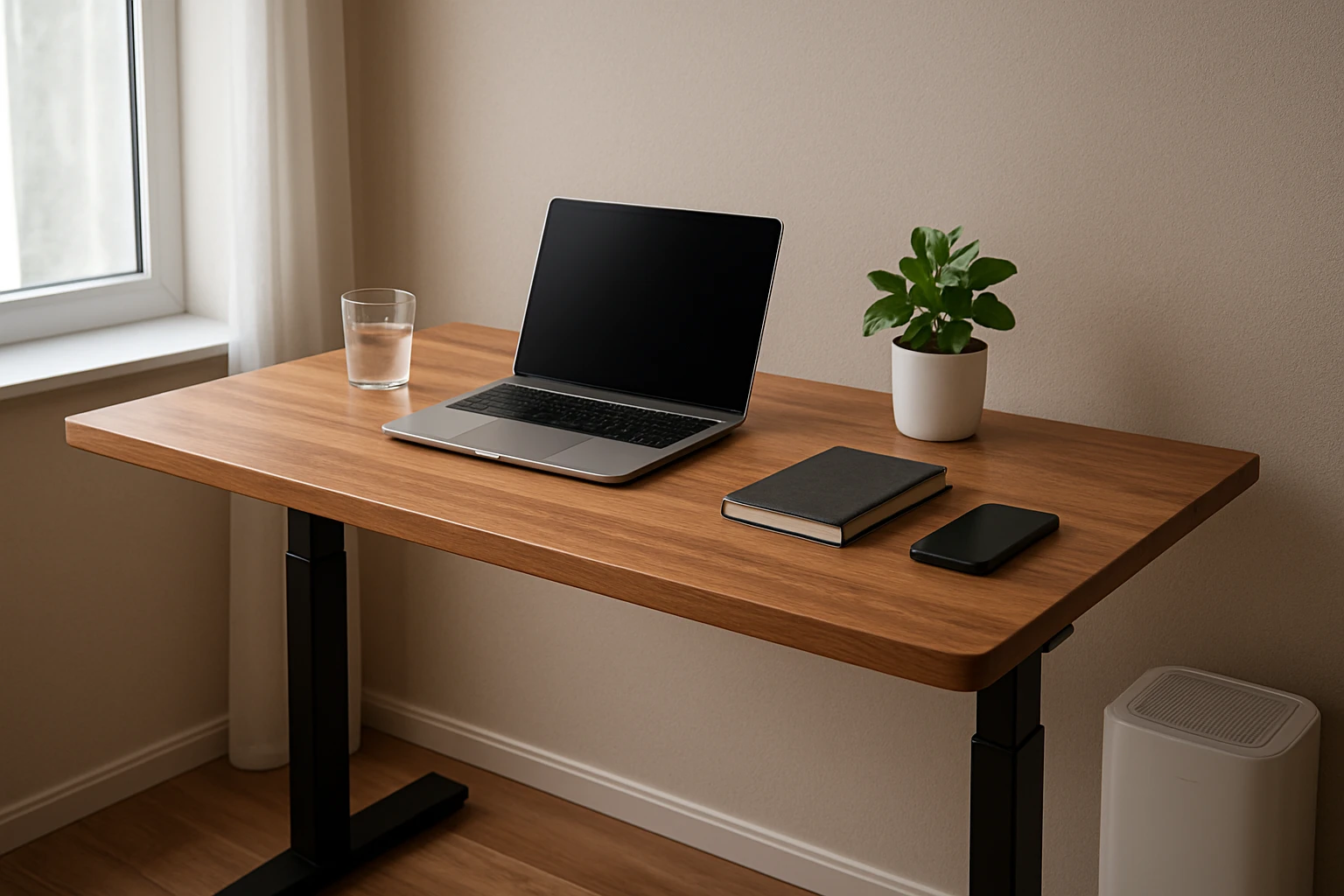
Apartment living often presents unique challenges for preserving wooden furniture, especially standing desks that combine functionality with natural aesthetics. This guide explains how humidity affects wood, outlines preventive strategies, and recommends proven products that help maintain a desk’s appearance and structural integrity. Readers will learn to assess moisture levels, implement protective measures, and select accessories that complement a wood desk while mitigating humidity damage.
Background and Context
Wood is a hygroscopic material, meaning it absorbs and releases moisture in response to ambient humidity. When relative humidity (RH) consistently exceeds 60 %, wood fibers swell, leading to warping, cupping, or surface discoloration. Conversely, overly dry environments cause shrinkage and cracking. In apartments, humidity fluctuations arise from cooking, showering, seasonal changes, and inadequate ventilation. Understanding these dynamics is essential before applying any protective solution.
Key concepts include:
- Equilibrium Moisture Content (EMC): The moisture level wood attains when it is in balance with surrounding air.
- RH Thresholds: Ideal indoor RH ranges from 40 % to 55 % for most hardwoods.
- Condensation: Moisture that forms on cooler surfaces can accelerate damage.
By monitoring EMC and RH, one can prevent the most common forms of humidity‑related wear.
Understanding Humidity’s Impact on Wood Desks
When moisture penetrates a desk’s surface, the following issues may appear:
- Surface swelling that creates uneven writing areas.
- Joint loosening, especially in assembled standing desks.
- Staining or mold growth in high‑moisture zones.
- Accelerated finish degradation, reducing the desk’s protective coating.
These problems not only diminish aesthetics but also compromise the desk’s load‑bearing capacity. Therefore, proactive moisture management is a critical component of desk maintenance.
Preventive Measures Without Products
Before turning to accessories, adopt these foundational habits:
- Maintain indoor RH between 40 % and 55 % using a digital hygrometer.
- Place the desk away from direct sources of steam, such as kitchen backsplashes or bathroom doors.
- Ensure adequate airflow by keeping windows slightly open when weather permits.
- Use a breathable, water‑resistant finish on the desk surface if the manufacturer permits refinishing.
These steps create a stable environment that reduces reliance on external devices, yet some apartments still experience persistent humidity spikes that require additional safeguards.
Product Recommendations
Strategic accessories can reinforce the preventive measures above. The following products have been selected for their ability to protect wood surfaces and control ambient moisture.
Desk Surface Protection
The Aothia Desk Pad offers a waterproof, non‑slip barrier that shields the wood from spills, heat, and daily wear. Constructed from PU leather, it resists water and is easy to clean with a damp cloth. At a price of $8.99, it provides a large 23.6 × 13.7 inch coverage, making it suitable for both laptops and writing activities. With a rating of 4.6 / 5.0 from over 76,000 reviews, users praise its smooth surface and durability. The pad’s special suede backing increases friction by 70 % compared with standard leather, preventing unwanted movement on the desk.
Humidity Control
For apartments where ambient RH regularly exceeds safe levels, the Hornady Dehumidifier provides a rechargeable, chemical‑free solution. Each unit contains silica gel crystals that absorb moisture up to 333 cubic feet, making it ideal for a home office or closet where a standing desk is stored. The crystals change color from blue to pink when recharging is required, offering a visual cue for maintenance. Priced at $29.96 and rated 4.4 / 5.0 from 1,965 reviews, it is praised for its ease of use and effectiveness in gun safes, which share similar humidity concerns with wooden furniture.
Comparison and Selection Guide
Choosing the right accessory depends on specific needs, budget, and the severity of humidity exposure. The table below contrasts the two recommended products across key criteria.
| Feature | Aothia Desk Pad | Hornady Dehumidifier |
|---|---|---|
| Primary Function | Surface protection against spills, heat, and scratches | Ambient humidity reduction through silica gel absorption |
| Coverage Area | 23.6 × 13.7 in (approximately 322 sq in) | Effective in spaces up to 333 ft³ |
| Price | $8.99 | $29.96 |
| Maintenance | Wipe clean with a damp cloth | Recharge crystals by plugging into 110 V outlet |
| Customer Rating | 4.6 / 5.0 (76,405 reviews) | 4.4 / 5.0 (1,965 reviews) |
For users primarily concerned with surface damage, the desk pad is the most cost‑effective solution. For those experiencing high ambient humidity, the dehumidifier offers broader protection by stabilizing the environment around the desk.
Best Practices & Tips
Beyond product use, incorporate these expert tips to extend the lifespan of a wood standing desk:
- Rotate the desk position every six months to prevent localized moisture buildup.
- Apply a thin layer of furniture wax quarterly, which adds a breathable barrier without sealing the wood completely.
- Place a small, decorative tray underneath the desk pad to catch any accidental spills that might seep through the pad’s edges.
- Use a portable hygrometer near the desk to monitor RH in real time; adjust dehumidifier settings accordingly.
- When cleaning, avoid abrasive chemicals; a mild soap solution followed by immediate drying preserves the PU leather pad and wood finish.
Implementing these measures creates a holistic protection strategy that combines environmental control with physical barriers.
Frequently Asked Questions
- Can a desk pad prevent warping caused by humidity? While a pad does not alter ambient RH, it shields the surface from direct liquid exposure and reduces temperature differentials that can accelerate warping.
- How often should the Hornady Dehumidifier be recharged? The silica gel crystals typically require recharging after two to three weeks of continuous use in a moderately humid apartment; the color change indicator provides a clear visual cue.
- Is the Aothia Desk Pad safe for laptops that generate heat? Yes, the PU leather material is heat‑resistant up to moderate temperatures, and the non‑slip suede backing prevents the pad from sliding under a warm laptop.
- Will the dehumidifier affect nearby electronics? The unit contains no moving parts or chemicals, making it safe for placement near computers, monitors, and other electronic devices.
- What is the ideal placement for a dehumidifier in a home office? Position the device centrally within the room, at least six inches away from walls, to allow free air circulation and optimal moisture absorption.
Conclusion
Protecting a wood standing desk from apartment humidity requires a blend of environmental awareness, routine maintenance, and targeted accessories. By monitoring RH, employing a waterproof desk pad, and utilizing a rechargeable dehumidifier, owners can preserve both the aesthetic and structural qualities of their desks for years to come. The strategies outlined in this guide empower readers to make informed decisions and maintain a healthy workspace.
Products Featured in This Guide
Aothia Desk Pad
Price: $8.99 | Rating: 4.6/5.0 (76,405 reviews)
Featured because it provides a waterproof, non‑slip barrier that protects the wood surface from spills, heat, and everyday wear while adding a professional appearance.
Hornady Dehumidifier
Price: $29.96 | Rating: 4.4/5.0 (1,965 reviews)
Featured because it actively reduces ambient humidity, protecting wood furniture from moisture‑induced swelling, warping, and mold growth in apartment environments.